
First Aid at Sea: Handling the Unexpected with Confidence
Published February 27, 2025 · Ikigai Sailing crew
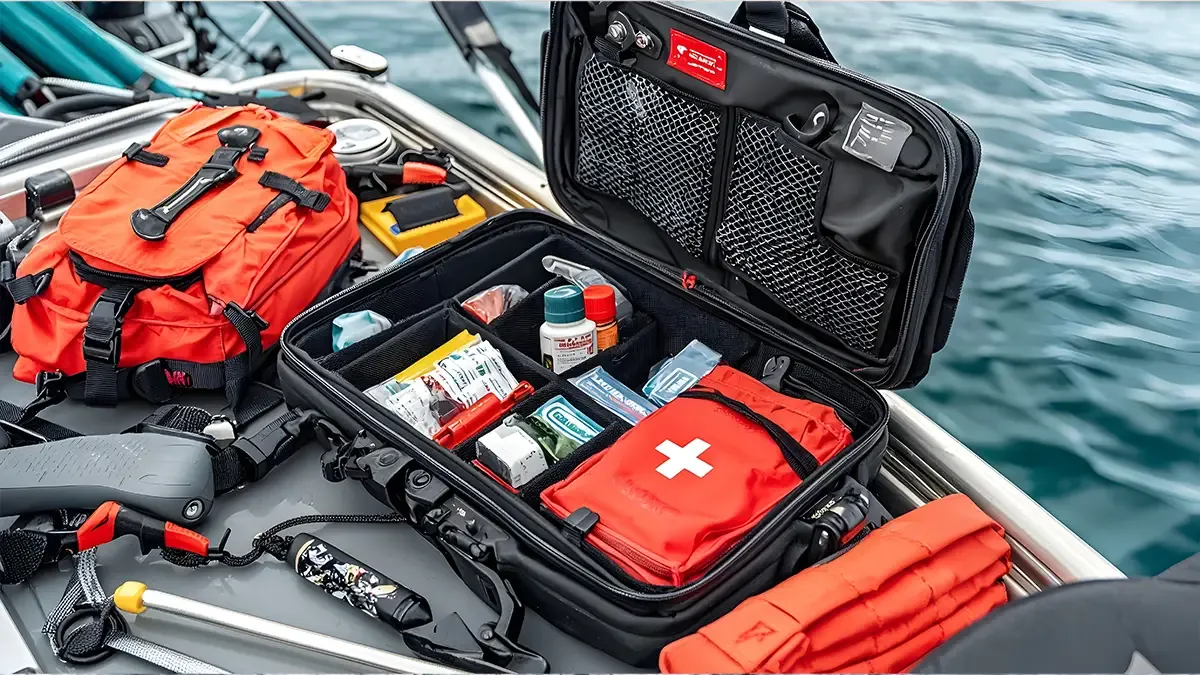
First aid at sea: handling the unexpected with confidence
🚑 The importance of first aid on board. At sea, unpredictability is part of the adventure, but also a challenge. A small accident can turn into a serious problem if you’re not prepared. Knowing how to handle emergencies such as wounds, burns, sudden illness or even more critical situations is essential to keep everyone aboard safe.
Common emergencies on board and how to handle them
- Cuts and wounds
- What to do: Clean the wound with fresh water, disinfect it and apply a sterile dressing. Stop the bleeding with direct pressure if needed.
- Useful kit: Sterile gauze, disinfectant, waterproof plasters. 2. Heat stroke or dehydration
- What to do: Move the person to a shaded spot, lay them down and offer cool (not too cold) water. Cool the body with damp towels.
- Prevention: Drink regularly and protect yourself from the sun with hats and sunscreen. 3. Seasickness (nausea and dizziness)
- What to do: Have the person lie on one side and look at the horizon. Give seasickness medication if available.
- Tip: Eat light before sailing and avoid alcohol. 4. Burns (from sun or fire)
- What to do: For minor burns, cool the area with cold water for at least 10 minutes and cover with sterile gauze. For serious burns, do not break any blisters and seek medical help. 5. Allergic reactions
- What to do: Give an antihistamine or, in the case of anaphylactic shock (difficulty breathing), use an epinephrine auto-injector (if available) and call for help immediately. 6. Respiratory or cardiac emergencies
- What to do: Knowing CPR (cardiopulmonary resuscitation) techniques is essential. Make sure someone aboard can perform chest compressions and rescue breaths.