What to expect
- Level
- Anyone with basic swimming comfort — no experience needed
- Gear
- Full mask, snorkel and fins provided aboard
- Water
- Warm, clear tropical water — reefs, sandy patches, drop-offs
- What you'll see
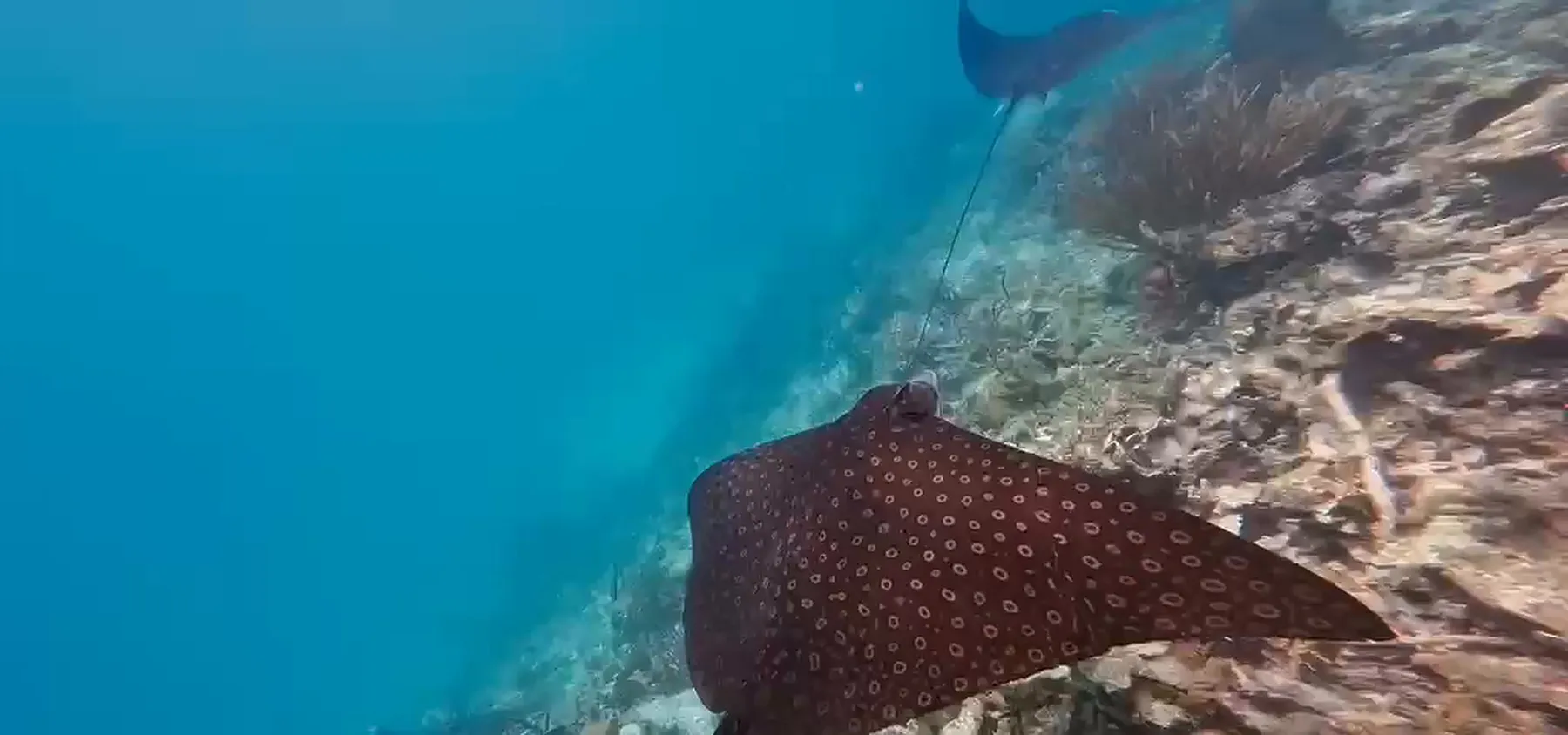
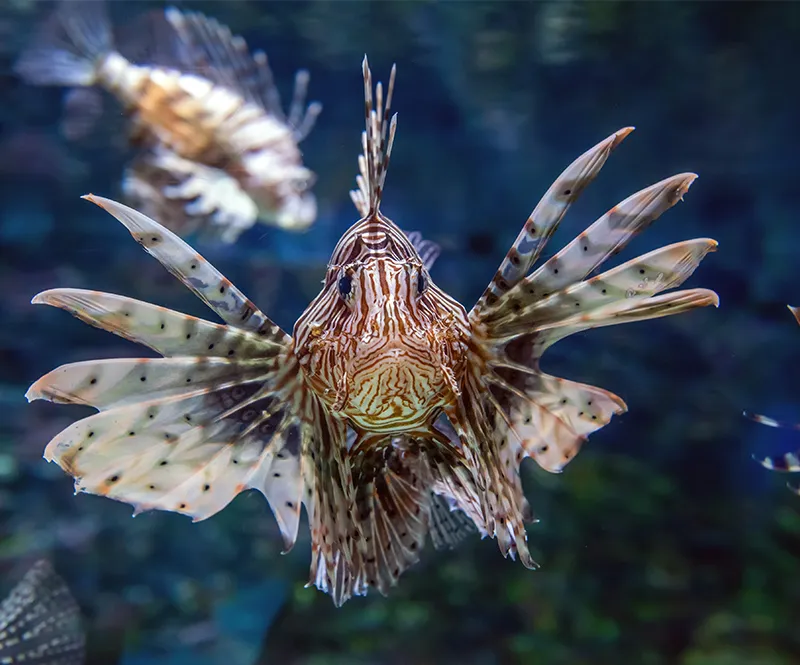
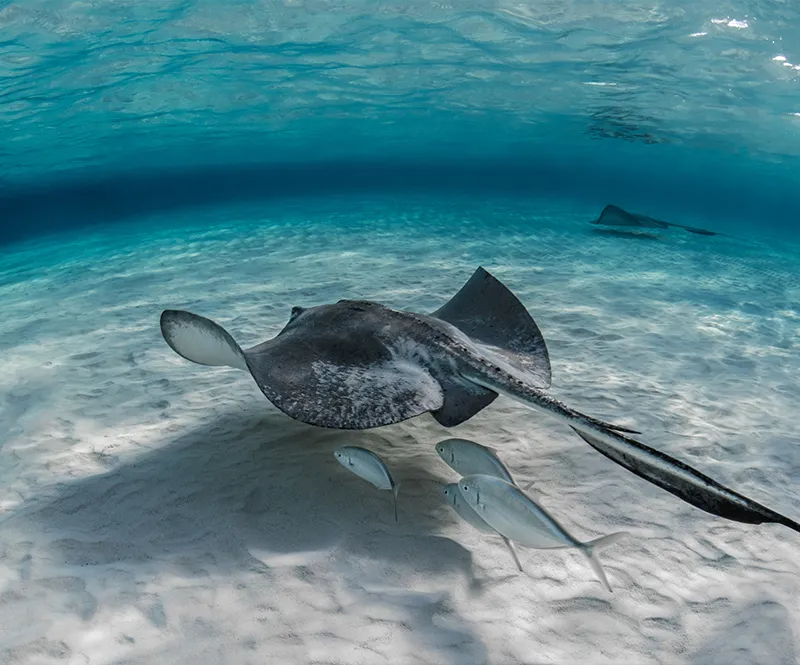
- Reef fish, rays, starfish, sea fans, corals and sponges
- Ties in with
- Freediving — breath awareness, calm finning, duck dives
- Contribution
- Included in the contribution for your stay
Move with the water, watch what lives below
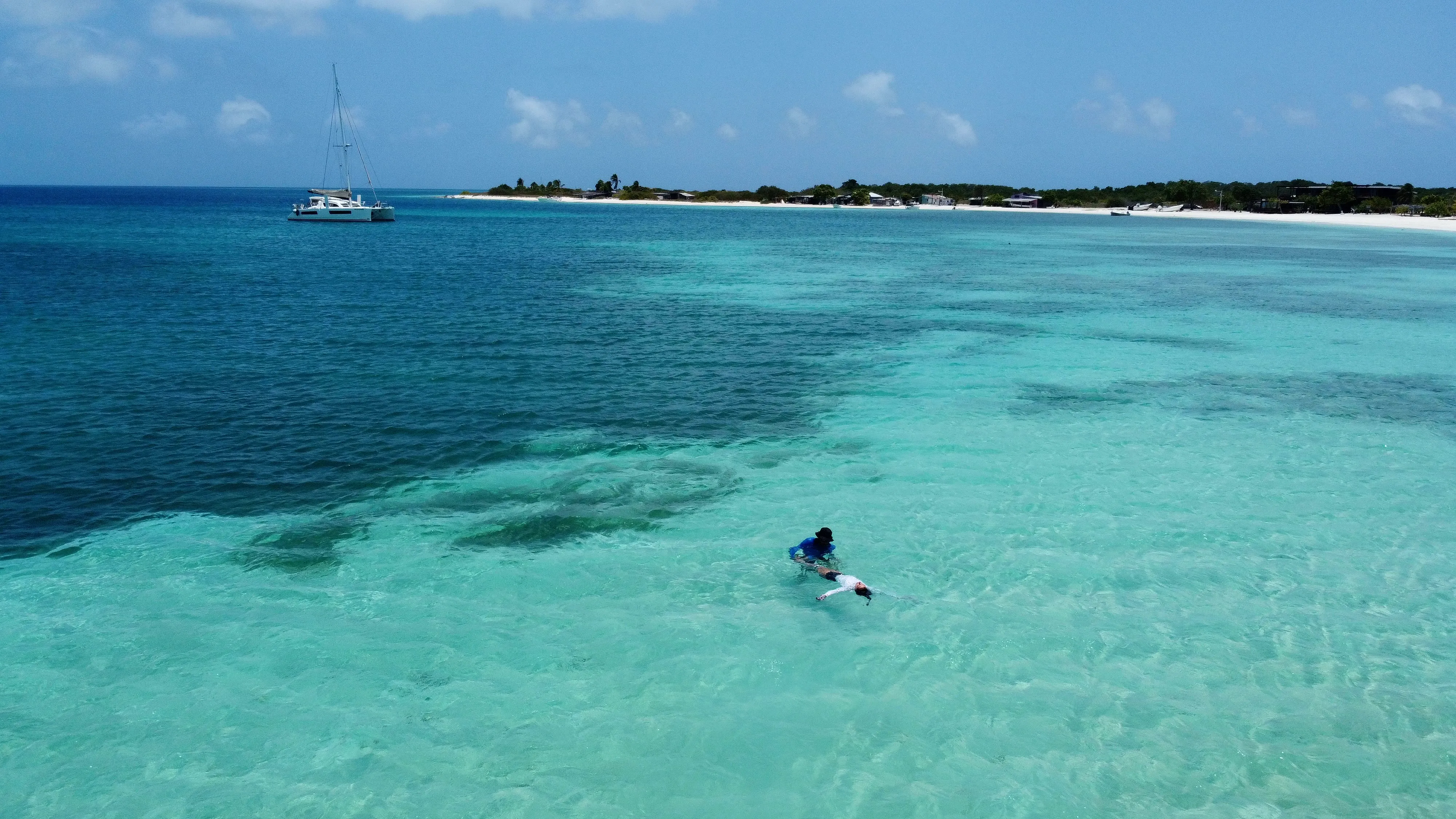
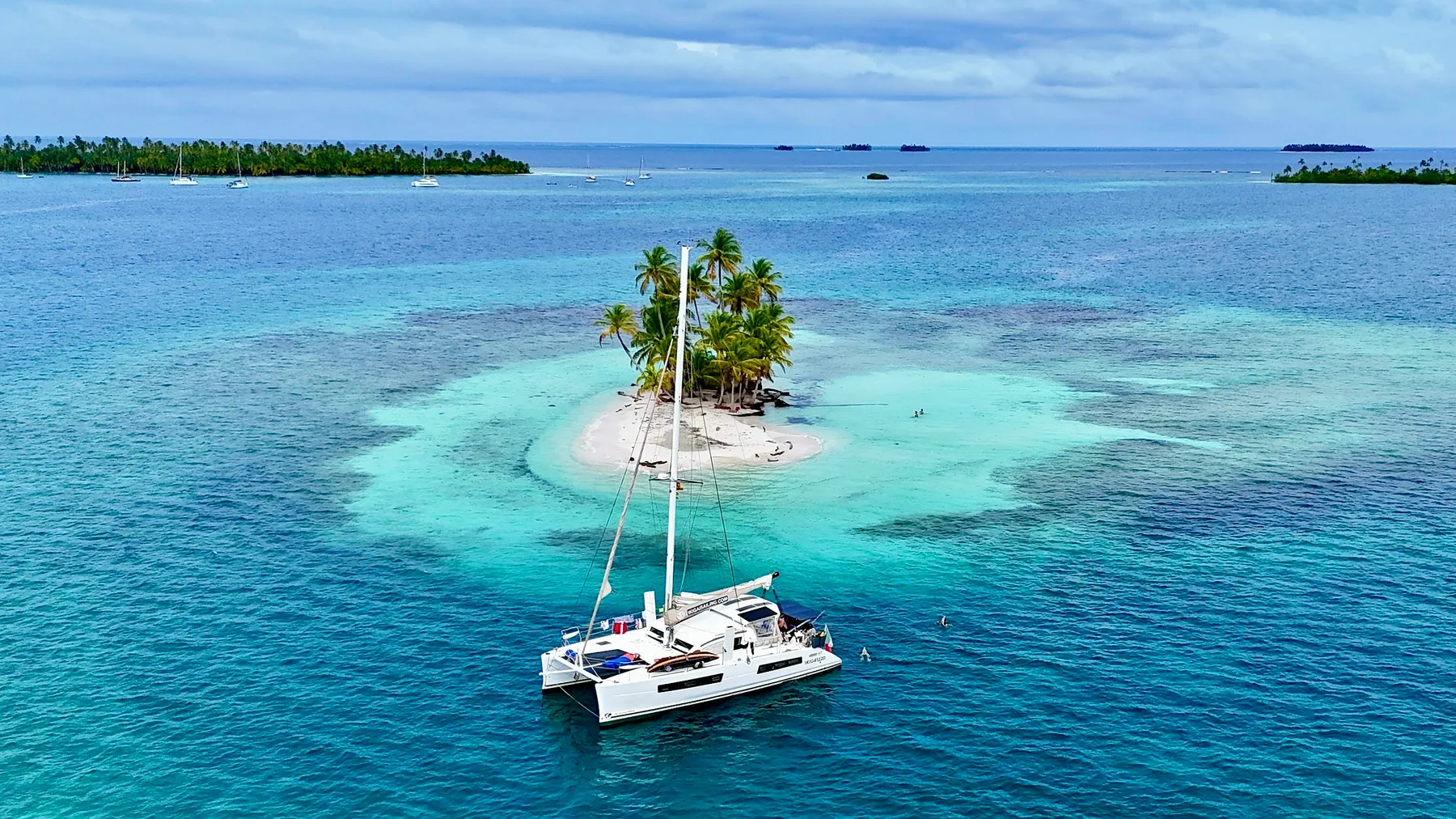
Swimming and snorkeling aboard Ikigai aren’t treated as quick tourist stops — they’re part of the daily rhythm of life at sea. The water becomes an open space for movement, presence and quiet looking. We swim over coral gardens, shallow reefs, sandy patches and the deeper edges where the colour of the sea changes beneath you. Some of the time we move continuously, letting the body find its own rhythm; some of the time we stop, float and simply watch. The beauty is in the alternation — movement and stillness, breath and observation, surface and depth.
More than a look down
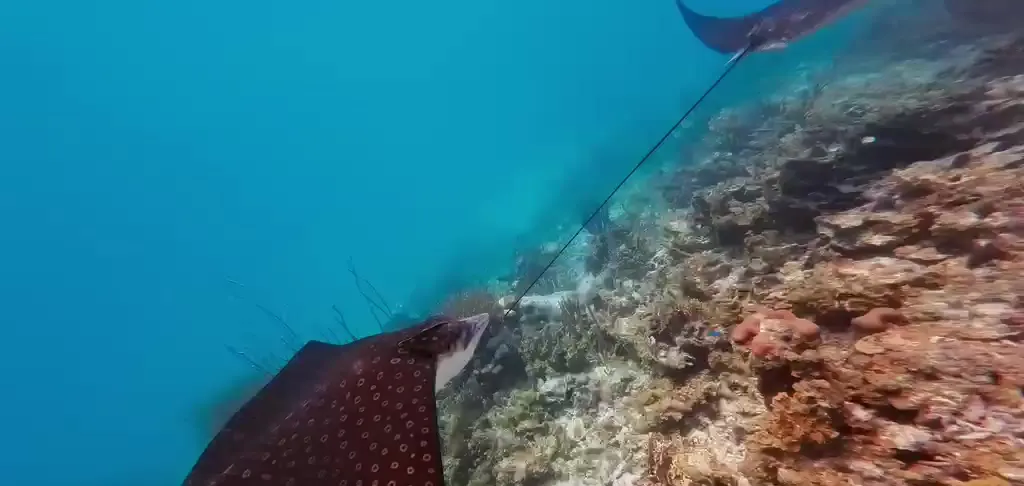
Snorkeling is usually imagined as something passive: mask on, look down, follow the group. We treat it as the opposite — a way to slow down and grow more present in the water. We swim gently, watch marine life without crowding it, and learn to read a reef with attention. Where the seabed falls away, we trace the edge of a drop-off and watch how light and life change from one side to the other. Over a coral garden we slow right down, float and breathe, letting the eye find the small things — a fish working between coral heads, a ray on the sand, soft corals leaning in the current.
It feeds your freediving — and the other way round
This is where being aboard changes the practice. A snorkel is the natural place to use what you learn in the freediving sessions — breath awareness at the surface, relaxation, calm finning, body position, a first duck dive, the basics of equalisation, the buddy system. We don’t turn every swim into a drill. But once you’ve learned to breathe and move efficiently underwater, even a gentle snorkel feels different: slower, quieter, more connected. And the calm runs both ways — the ease you build floating over a reef carries straight back down the line on your next dive.
Gear, safety and the group — already handled
Full snorkeling kit is aboard: mask, snorkel and fins, with freediving gear and safety support when it fits. You don’t need to bring anything unless you’d rather use your own. We help you choose the right setup, fit the mask, and feel easy in the water before you get in. Every session bends to the day — the weather, the sea state, the anchorage and the comfort of the group. Some guests are strong swimmers who want the drop-offs; others would rather stay near the dinghy over a shallow reef. Both are right. Before anyone enters the water we read the wind, current, visibility, boat traffic and reef shape, and we say plainly where to swim, where not to, and how to stay together. The water is never a test. It’s an invitation.
Respecting the reef
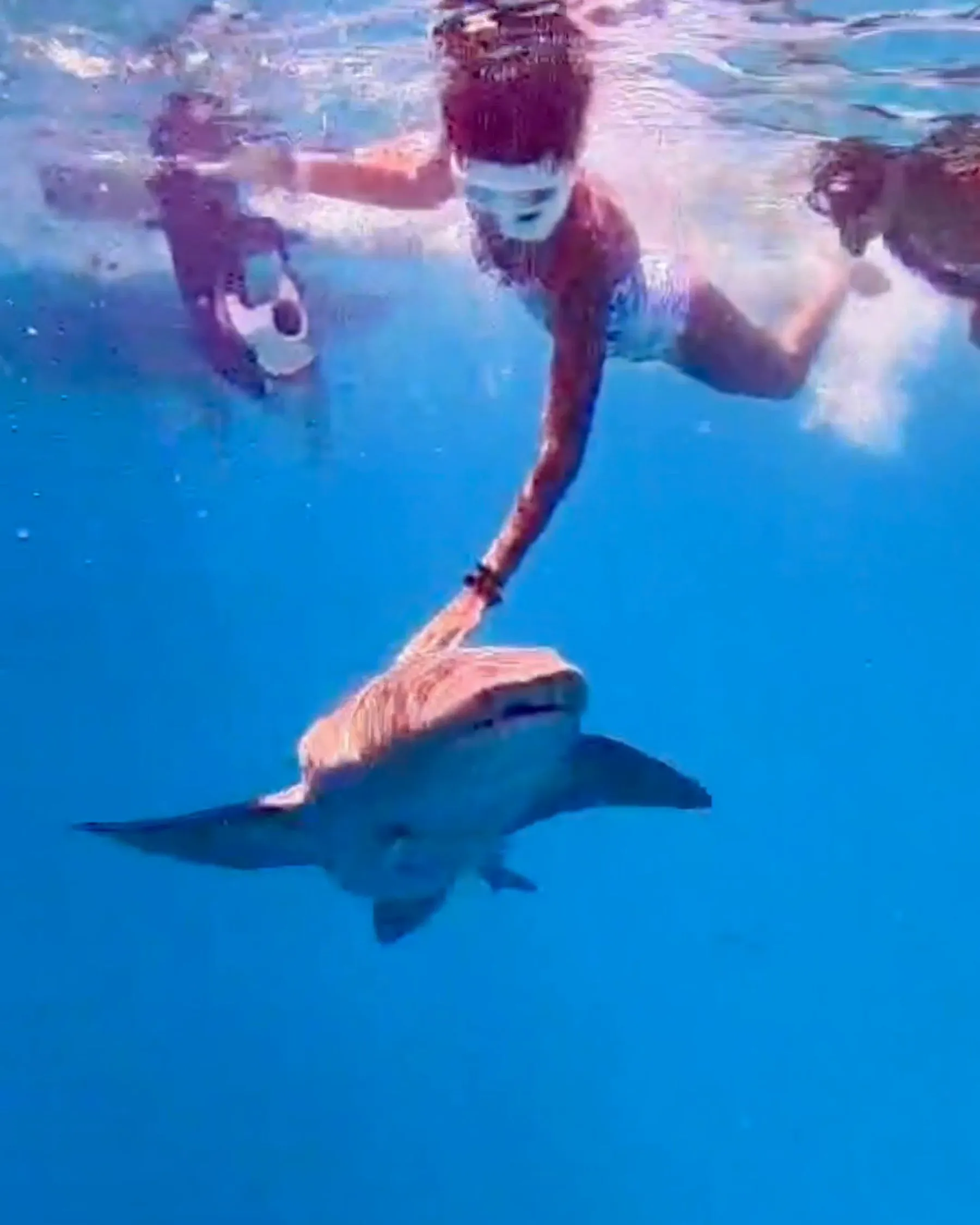
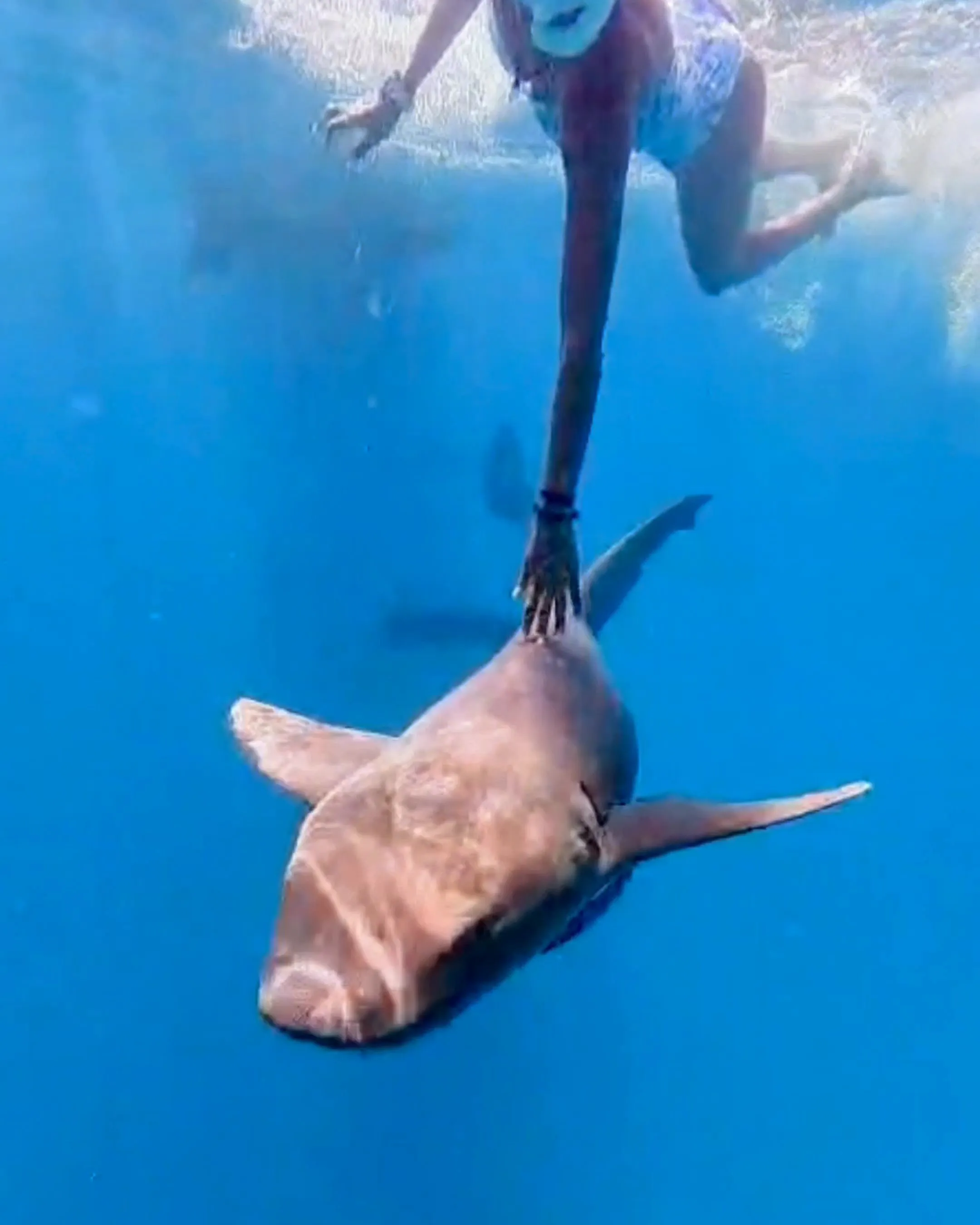
A coral reef is a living thing, and we treat it like one. The rule is simple: look closely, don’t touch. We keep off the coral, never chase the animals, hold our fins clear and move slowly in the shallows. The point isn’t only to enjoy a reef — it’s to learn how to be in the water as a guest.
Another way to be in the sea
For us, swimming and snorkeling aren’t separate from the rest of the Ikigai experience — they’re one more way to practise presence. Like sailing, they ask you to read your surroundings. Like freediving, they ask you to breathe better. Like meditation, they teach you to slow down and notice more. Mask on, slip in, swim slowly above the reef — then stop, float, and listen to your own breath. Often the best of the sea shows up the moment you stop trying to move through it.